
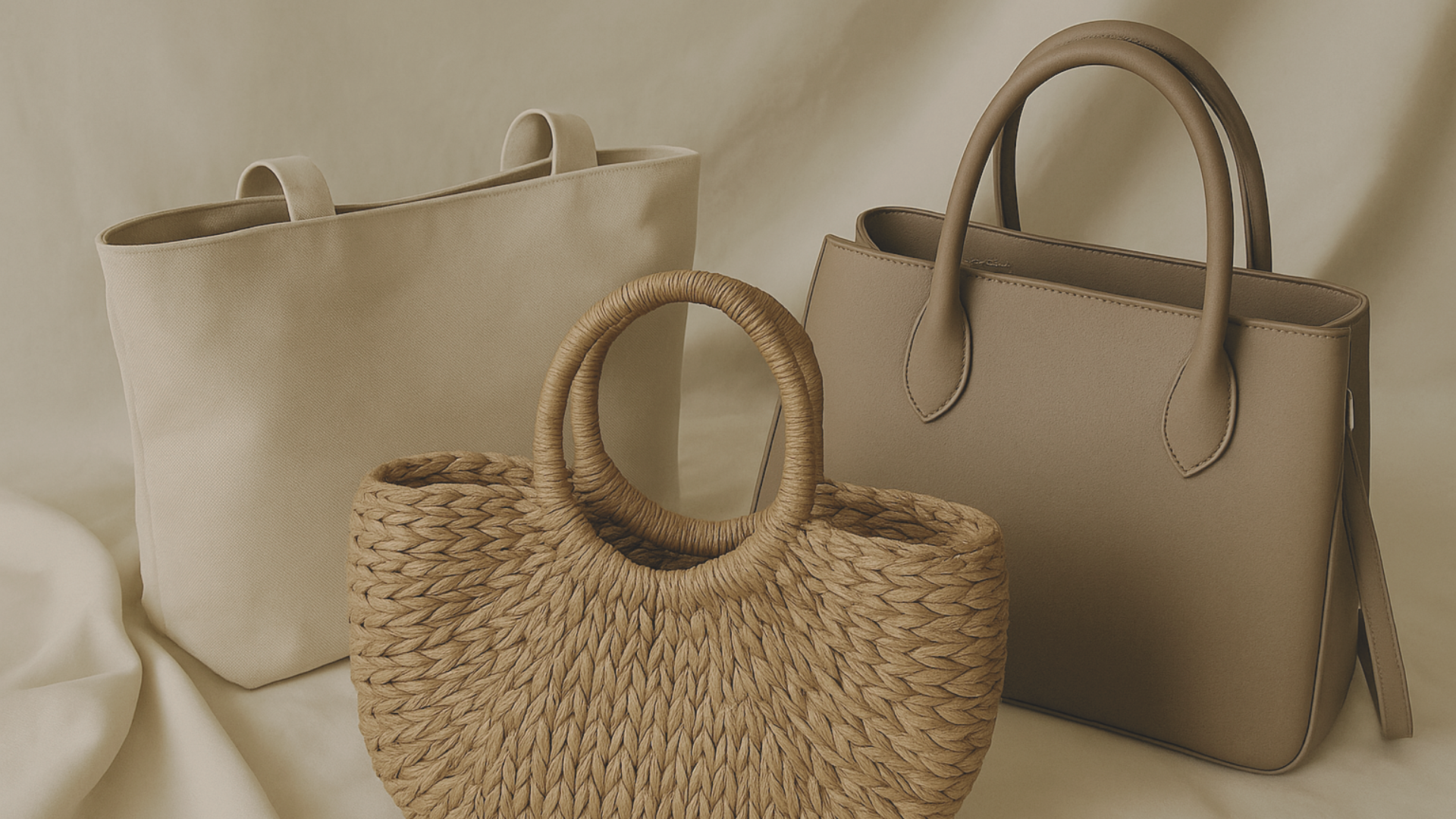
“Sustainable.” It’s one of the most powerful words in fashion today. But in a world where plastic water bottles are turned into luxury handbags, it’s worth asking: Are recycled handbags truly sustainable, or just less harmful?
The idea of transforming plastic waste into something wearable feels like a win. It’s innovative, circular, and clever. But clever doesn’t always equal clean.
At LeafyLooks, we believe in celebrating progress while also digging deeper. This article explores both the promise and the problems of recycled handbags, so you can make informed, thoughtful choices.
Jump To:
Toggle
What Is a Recycled Handbag, Exactly?
A recycled handbag is typically made from post-consumer waste, most often plastic bottles, that has been transformed into textile fibers. The most common material used is rPET, short for recycled polyethylene terephthalate.
How rPET Becomes a Handbag
Through a mechanical or chemical process, discarded bottles are cleaned, shredded, melted, and re-spun into polyester-like threads. The threads are then woven into fabric and used to create handbags, backpacks, and other accessories.
This method helps reduce the demand for virgin polyester and gives plastic waste a second life. In short, these bags are a creative way to extend the life of waste. They represent an important step in reducing the demand for new plastic production.
Recycled, But Still Plastic
But does repurposing waste actually make the final product sustainable? Actually, that’s where things get more complicated. For instance, recycled plastic gives waste a second life, however, it doesn’t erase the environmental cost of plastic itself. And, while these bags may reduce landfill overflow today, they often can’t be recycled again. In the end, they still carry many of the same concerns as virgin plastic, just delayed.
Note: Recycled handbags should not be confused with those made from recycled leather or upcycled vintage bags. Those are different forms of reuse entirely and involve separate sustainability considerations.
The Upside: How Recycled Handbags Help
While recycled handbags may not be the complete resolution to our fashion waste problems. they do, however, offer meaningful benefits worth acknowledging. Especially, since waste is a constant issue we face throughout the world.
Less Waste, More Responsibility
By reusing plastic that would otherwise contribute to environmental damage, recycled handbags play a small but meaningful role in reducing global waste. Instead of producing new, petroleum-based fabrics, brands are finding creative ways to work with what already exists.
A smaller Footprint
In terms of energy and water use, recycled polyester (rPET) typically outperforms its virgin counterpart. According to the Ellen MacArthur Foundation, shifting to recycled inputs is a key way to support circular fashion and lower fashion’s carbon emissions.
Recycled Handbag Brands Moving the Needle
Some brands go beyond the recycled label and aim for deeper sustainability, through transparent sourcing, biodegradable trims, and ethical labor. While rPET isn’t a perfect solution, these labels are at least showing us what progress can look like in real time.
Matt & Nat
First of all, Matt & Nat has long been known for using rPET linings in nearly all of its bags. The brand’s clean, structured styles have helped make recycled materials feel modern and mainstream.
Tentree
Moreover, Tentree combines rPET with organic cotton and offsets its impact by planting trees for every purchase. As a certified B Corp, the brand prioritizes transparency and carbon responsibility.
Terra Thread
In addition, Terra Thread creates bags using GOTS-certified organic cotton paired with rPET components. The brand is climate-neutral and committed to fair trade production, making it a solid choice for conscious shoppers.
Stella McCartney
Furthermore, Stella McCartney has lined all her poly-based handbags with rPET since 2012. Her collections also incorporate ECONYL®, a regenerated nylon made from ocean waste. These efforts help bridge luxury with circular innovation.
The Clever: Turning Trash Into Trend
There’s no denying it, recycled handbags have sparked a trend that’s equal parts eco-awareness and design innovation.
We’ve seen everything from puffer-style totes made from bottles to tech-inspired backpacks made from ocean plastic. Brands are telling compelling stories about “bags with a past”, and consumers are listening.
Part of the appeal lies in their blend of style, purpose, and convenience. Many rPET bags are:
- Lightweight
- Water-resistant
- Easy to clean
These features make them practical for daily use while helping buyers feel like they’re making a better choice.
It’s clever. It’s forward-thinking. But it’s also marketing.
The “eco-friendly” label often focuses on where a bag comes from, but not where it ends up. Does it break down? Or does it linger for centuries, just like the bottles it came from?
The Concerns: What Recycled Plastic Doesn’t Solve
While recycled handbags do help reduce waste, they still come with important drawbacks consumers should be aware of.
The truth is, and I’ve gone back and forth on this myself, recycled plastic is still plastic. No matter how innovative the design or how compelling the story, the material at its core doesn’t go away.
Here are a few concerns worth considering:
It Doesn’t Biodegrade.
rPET may reduce virgin plastic use, but most recycled bags still end up in landfills where they can sit for decades, even centuries. And it’s not just used bags contributing to the problem. Unsold fashion items often end up in the same place.
Microplastics Are A Hidden Threat
As these bags wear down, they can shed microscopic fibers. Over time, these microplastics find their way into waterways, soil, and even the human body. National Geographic has reported microplastics in human lungs, blood, and breast milk.
Many Recycled Bags Are Recyclable Again
Unfortunately, not all recycled bags are recyclable a second time. Many combine rPET with polyurethane (PU), foam padding, or synthetic linings, making them nearly impossible to separate and reuse.
The Chemical Question
Some brands don’t fully disclose the dyes, glues, or finishes used in their products. This lack of transparency means that even a recycled bag might include chemicals that aren’t eco-friendly, or safe.
What Truly Sustainable Handbags Look Like
After researching, writing, and reflecting, I’ve come to realize that sustainability isn’t just about using fewer plastics, it’s about the entire life cycle of a product.
True handbag sustainability means looking beyond the label. It asks:
How was the bag made? What’s it made from? And what happens when you’re done with it?
Here’s what that looks like in practice:
Materials That Matter:
- Organic Cotton – Grown without toxic pesticides, breathable, and compostable
- Hemp – Durable, fast-growing, and naturally pest-resistant
- Piñatex – Made from pineapple leaf fiber; cruelty-free and biodegradable
- Cork – Sustainably harvested, water-resistant, and fully compostable
- Raffia & Jute – Plastic-free, renewable, and ideal for seasonal bags
- Vegetable-Tanned Leather – Processed without harsh chemicals or heavy metals
Ethics Beyond Fabric:
Sustainable fashion also means ethical production. Brands that truly care about their impact usually disclose:
- Where materials are sourced
- What dyes, glues, and finishes they use
- Whether their bags are plastic-free, not just labeled “recycled”
LeafyLooks-Approved: Plastic-Free Alternatives
While many brands are making progress with recycled materials like rPET, others are going a step further, choosing plastic-free, biodegradable, and regenerative materials from the start.
If you’re looking for handbags made with nature in mind, these thoughtful alternatives are worth exploring:
Tiradia Cork
Tiradia Cork uses 100% natural cork sourced from Portugal. It’s plastic-free, biodegradable, and PETA-approved, with no synthetic linings.
A_C Official
A_C Official takes a bold step by using cactus leather in place of petroleum-based synthetics. Their production is climate neutral and entirely vegan.
Made Trade
Made Trade curates ethically made, sustainable bags from around the world. Every brand on their platform is vetted for labor, transparency, and low-impact materials.
These bags may not be as cheap or mainstream, but they walk the talk.
Final Thoughts
Recycled handbags aren’t the enemy, they’re a step. A creative, innovative step toward solving a much bigger problem. But like any solution, they come with trade-offs.
As a conscious shopper, it’s okay to feel torn. I’ve felt that way too. Choosing sustainability isn’t about perfection, it’s about intention. If we ask the right questions and support brands that go beyond surface-level claims, we get closer to a future where fashion genuinely supports both people and the planet.
Quick Recap: What We Learned About Recycled Handbags
- rPET handbags – gives plastic bottles a second life by reducing the need for virgin polyester.
- Recycled plastic is plastic – it doesn’t biodegrade and can release microplastics over time.
- Many recycled bags can’t be recycled again due to mixed materials like PU linings or synthetic trims.
- True handbag sustainability – considers the full product life cycle, from sourcing to disposal.
- It also includes fair wages, transparent sourcing, and clean production methods.
- Plastic-free alternatives: Brands like Tiradia Cork, A_C Official, and Made Trade stand out.
At the end of the day, no bag is perfect, but some are far more thoughtful than others.
Frequently Asked Questions About Recycled Handbags
Are recycled handbags really eco-friendly?
They can be, but not always. Recycled handbags reduce the need for virgin plastic and keep waste out of landfills temporarily. However, most are still made from rPET, which doesn’t biodegrade and can release microplastics over time.
What is rPET, and is it safe?
rPET (recycled polyethylene terephthalate) is a material made from used plastic bottles. It’s safe for use in fashion, but its production and breakdown can raise concerns, including chemical usage and microfiber shedding.
Can rPET bags be recycled again?
In many cases, no. If a bag combines rPET with other materials like polyurethane or synthetic linings, it becomes difficult or impossible to recycle again. Meaning, it likely ends up in a landfill.
What should I look for in a truly sustainable handbag?
Look for:
- Biodegradable or plant-based materials like cork, hemp, raffia, or Piñatex
- Plastic-free linings and trims
- Transparent sourcing and ethical labor practices
- Low-impact dyes and finishes
Are plastic-free handbags more expensive?
Often, yes. Plastic-free or ethically made bags tend to cost more due to higher-quality materials, smaller production runs, and fair labor practices. But they usually last longer, and align better with sustainability values.
We'd Love to Hear From You
Have you tried a recycled or plastic-free handbag? What mattered most in your decision: the material, the ethics, or the style? I’d love to hear your thoughts. Drop a comment below or share this article with someone who’s navigating the same questions. Let’s keep the conversation real and rooted in progress.