Skip to content
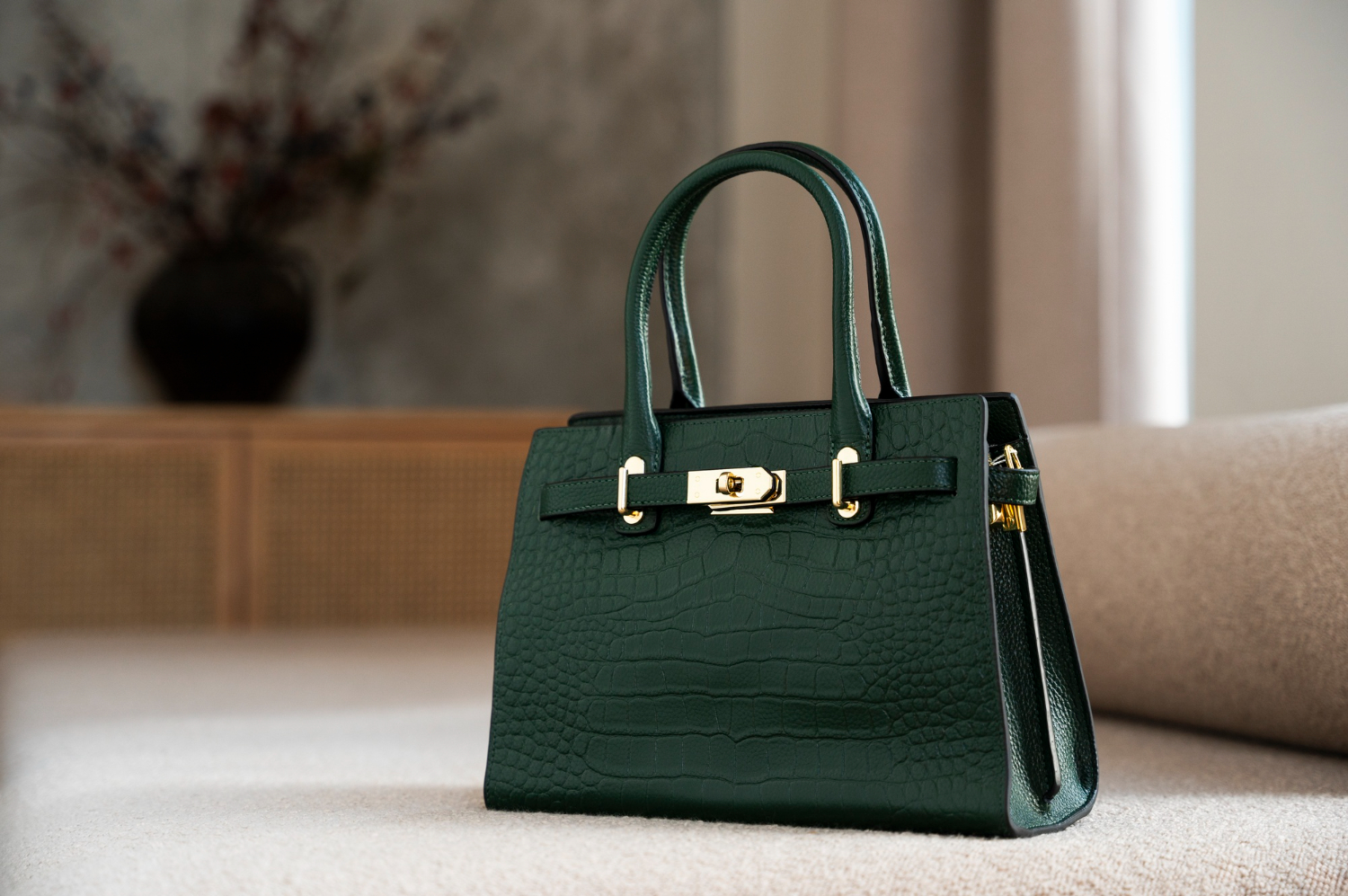
Luxury handbag brands sustainability has been a growing concern – and for good reason. In fact, many high-end brands position themselves as eco-conscious, claiming to use sustainable materials and ethical sourcing.
However, are these claims truly meaningful, or just another case of greenwashing in fashion? Luxury brands promote sustainability, but are they genuinely reducing their environmental impact?
This article takes a closer look at luxury handbag brands’ eco claims. We’ll explore the difference between genuinely sustainable handbags and misleading marketing tactics. Also, you’ll discover how to identify ethical handbag brands that reflect your green lifestyle.
Jump To:
Toggle
The Luxury Handbag Brands Sustainability Promises
Luxury brands are renowned for their craftsmanship, exclusivity, and premium materials. More recently, however, they have also embraced sustainability as part of their brand identity. But how much of this is genuine commitment, and how much is just strategic marketing?
Carbon Neutrality & Emission Offsetting
One of the most prominent ways luxury brands demonstrate their commitment to sustainability is through carbon neutrality initiatives and emission offsetting. Many brands, including Gucci and Prada, have announced ambitious carbon-neutral goals. For example, Gucci’s “carbon-neutral” initiative includes investments in reforestation projects. (Source: Gucci Equilibrium)
At first glance, these initiatives appear to be a step in the right direction. However, experts argue that offsetting emissions is not the same as actively reducing them. True sustainability requires cutting carbon output at its source, rather than compensating for pollution after it has occurred.
Sustainable Materials in Luxury Handbags
Beyond carbon neutrality, luxury brands are also turning to sustainable materials as part of their environmental efforts. Consequently, many have introduced eco-conscious handbag collections that incorporate alternative materials. Some notable examples include:
- Louis Vuitton: Highlights the use of responsibly sourced leather.
- Hermès: Introduced a leather alternative made from mycelium, a mushroom-based material.
- Stella McCartney: A pioneer in vegan luxury handbags, utilizing recycled ocean plastic. (Source: Stella McCartney Sustainability)
While these efforts reflect a growing awareness of sustainability, some industry analysts question whether they represent meaningful change or are simply a marketing strategy to appeal to eco-conscious consumers.
Certifications & Ethical Sourcing
To further support their sustainable certifications claims, some luxury brands pursue third-party certifications that assess ethical sourcing and responsible production. practices.
Examples of Sustainability Certifications:
- Leather Working Group (LWG): Focuses on responsible leather sourcing.
- B Corp Certification: Recognizes brands with high environmental and social impact standards.
Limitations of Current Certifications:
Although these certifications offer a degree of validation, they often don’t provide a complete picture of a brand’s sustainability. Aspects like overall carbon footprint, labor conditions throughout the entire supply chain, and long-term environmental impact may not be fully covered.
Looking Beyond the Label:
Therefore, consumers need to critically evaluate how brands implement these certified practices in their day-to-day operations, rather than solely relying on the presence of a certification.
Reality Check: Do Luxury Handbag Brands Walk the Talk?
Luxury brands make bold promises about sustainability, but do they truly follow through? Surely, on the surface, they may appear to be making progress. However, reports indicate that some fall short of their commitments, raising questions about the depth of their sustainability efforts.
Lack of Transparency in Luxury Handbag Brands Sustainability
One of the biggest concerns in luxury fashion sustainability is the lack of transparency. While some brands claim ethical sourcing and sustainable practices, they often provide limited public data to verify these claims. According to the Fashion Transparency Index 2023, many luxury brands still fail to disclose essential details, such as:
- Where materials are sourced (e.g., whether leather is from ethical suppliers).
- How factory workers are treated throughout the supply chain.
- The true environmental impact of production processes. (Source: Fashion Transparency Index)
As a result, this lack of full disclosure makes it difficult for consumers to determine whether a brand’s sustainability initiatives are truly impactful—or merely a branding exercise.
When Luxury Handbag Brands Sustainability Promises Fall Short
Despite sustainability claims, some luxury brands engage in selective marketing rather than meaningful change. Common concerns include:
- Unverified Sustainability Claims: Using terms like “eco-friendly” without measurable proof or third-party certification.
- Limited Sustainable Collections: Releasing a small “green” capsule collection while the majority of their products remain unsustainable.
- Carbon Offsetting vs. Emission Reduction: Some brands invest in carbon offset programs (e.g., reforestation) instead of reducing emissions at the production level.
For example, Louis Vuitton markets certain handbags as being made with “responsible materials.” However, a large portion of their collections still rely on traditional leather and synthetic linings. (Source: Louis Vuitton Environmental Initiatives)
Greenwashing in Luxury Fashion: What to Watch For
As mentioned previously, many luxury brands promote carbon neutrality through offsetting programs. However, while offsetting can be part of a sustainability strategy, it does not replace the need for brands to reduce emissions.
1. Small Sustainable Capsule Collections
Some brands introduce a limited eco-friendly collection while continuing to use environmentally harmful materials in most of their products.
Example: A luxury brand may release a handbag made from “recycled materials” but continue mass-producing thousands of traditional leather goods.
What to Look For: Assess whether sustainability is integrated across the brand’s entire supply chain, not just in select collections.
Misleading Buzzwords
Terms like “eco-friendly,” “sustainable,” or “green” should always be backed by data, third-party certifications, or transparency reports.
What to Look For: Does the brand provide detailed sustainability reports? Are they transparent about material sourcing and environmental impact?
What Defines True Sustainability in Luxury Handbags
If you’re looking for genuinely ethical handbag brands, here are key indicators of true sustainability:
- Sustainable leather alternatives (e.g., mycelium, apple leather).
- Recycled materials for linings and hardware.
- Fair labor practices and responsible sourcing.
- Circular economy initiatives like take-back programs.
Luxury Handbag Brands Leading in Sustainability
Leading the way towards a more conscious future in luxury fashion, these handbag brands are demonstrating a genuine commitment to sustainability:
- Stella McCartney – 100% vegan, luxury handbags made from sustainable materials.
- Matt & Nat – Known for eco-conscious handbags made from recycled bottles.
- Gucci Off The Grid Collection – Features recycled and organic materials.
(Sources: Matt & Nat Sustainability, Gucci Off The Grid)
Smart Shopping: Identifying Eco-Friendly Handbags
Before buying a handbag labeled “sustainable,” ask the following:
- Is the entire brand committed to sustainability, or just one collection?
- Does the brand provide reports on material sourcing?
- Are third-party certifications in place?
- Do they offer resale, repair, or recycling programs?
Alternatives to Buying New Luxury Handbags
You don’t necessarily need to buy new to enjoy a luxury handbag. Here are some compelling alternatives to consider:
- Luxury Resale: Pre-owned designer bags from The RealReal, Vestiaire Collective.
- Upcycled Handbags: Bags made from repurposed materials.
- Ethical Indie Brands: Smaller brands focusing on sustainable craftsmanship.
(Sources: The RealReal Sustainability, Vestiaire Collective)
Conclusion
Luxury handbag brands continue to embrace sustainability, but not all efforts result in meaningful change. While some brands are making progress with ethical sourcing and eco-conscious materials, others rely on marketing tactics that don’t address the root issues. Therefore, as consumers, staying informed and critically evaluating these claims is key to supporting genuine sustainability in high-end fashion.
Quick Recap
- Luxury handbag brands sustainability is on the rise, but not all brands are as eco-friendly as they claim.
- Greenwashing is widespread, with many brands making sustainability claims that don’t lead to real change.
- Truly sustainable luxury handbags focus on recycled materials, ethical sourcing, and transparency.
- Consumers have power—supporting verified sustainable brands helps drive real change in the industry.
What do you think? Have you found a luxury brand that is truly sustainable—or one that seems to be greenwashing? Share your thoughts in the comments!
Want more sustainable fashion insights? Subscribe to our newsletter for updates on ethical brands, shopping guides, and eco-friendly fashion trends!