Skip to content

From time to time, we all fall victim to false information, especially when it comes to sustainable fashion myths. That’s why it’s so important to do the necessary research before committing to anything. While sustainable fashion has been increasing in popularity, many people are still skeptical.
Even though many want to contribute to preserving the planet, they’re often discouraged from embracing sustainable fashion. Comments like “It’s too expensive” or “Eco-friendly clothes are boring” can sway their way of thinking.
These sustainable fashion myths can stop people from making eco-conscious fashion choices. That’s why it’s so important to clear up these misconceptions, so you can make informed decisions that really help the environment. So, with that being said, buckle up as we get into the most common myths about sustainable fashion and set the record straight.
Let’s get started!
Jump To:
Toggle
Myth #1: Sustainable Fashion is Always Expensive
One of the most common sustainable fashion myths, is that it’s always pricey. Though some high-end brands focus on sustainability, many affordable options offer both style and ethics. Brands like Happy Earth, which specializes in organic cotton clothing, or People Tree, known for their ethical production methods, offer stylish options at a reasonable price point.
Yes, some sustainable pieces may have a higher initial cost, but they’re often built to last. Unlike fast fashion, where clothes wear out quickly, sustainable brands focus on quality and durability. In the long run, you’ll likely spend less because you won’t need to replace items as frequently.
Quick Tip: Check for sales or sign up for newsletters from sustainable brands like People Tree and Happy Earth to catch deals that make eco-friendly fashion even more affordable.
Myth #2: Sustainable Fashion is Boring and Unstylish
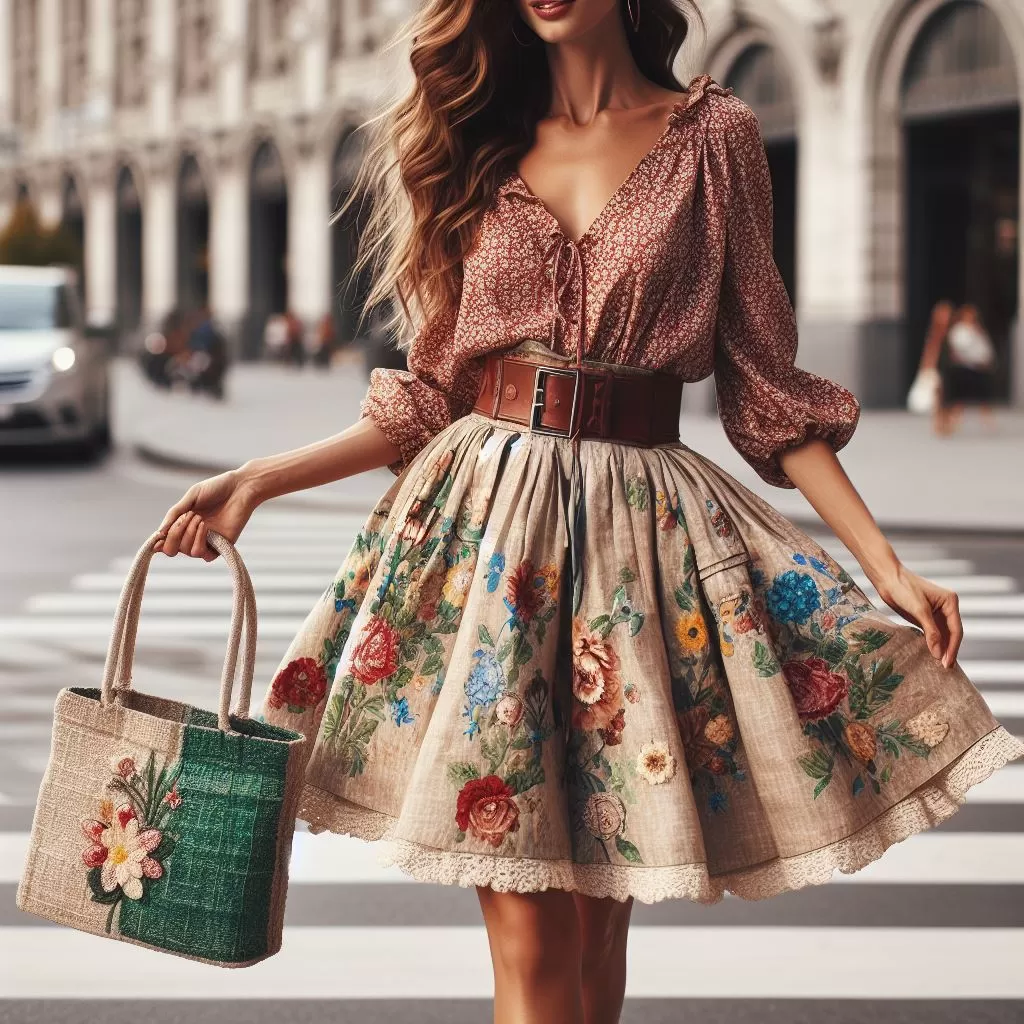
Are you thinking eco-friendly clothes are all neutral tones and shapeless designs? Think again! Sustainable fashion has evolved, and today, there are plenty of brands that provide trendy, chic pieces. For example, Armedangels and Neu Nomads offer stylish options that are both fashionable and eco-conscious.
So, as far as boring and unstylish, this sustainable fashion myth has been busted, because eco-friendly fashion doesn’t mean sacrificing style. Many sustainable brands are on the cutting edge of design, proving that you can look good and do good for the planet at the same time.
Quick Tip: Follow eco-conscious influencers on social media for inspiration on how to style sustainable fashion in fresh, fashionable ways. They often feature brands like Armedangels that combine sustainability with style.
Brand Spotlight: How Armedangels Challenges the Myth of Unstylish Fashion
After debunking the myth that sustainable fashion is boring, let’s take a closer look at the brand Armedangels that’s redefining eco-friendly style. This brand is a perfect example of how sustainability and trendsetting fashion can go hand in hand.
Armedangels, a brand known for its modern, bold designs, has consistently proven that eco-friendly fashion can be trendy. By focusing on vibrant patterns and contemporary styles, Armedangels has gained popularity with fashion-forward, eco-conscious consumers.
They create stylish pieces using organic materials and fair practices, benefiting both people and the planet.
Armedangels is also rated highly on Good On You, demonstrating their strong commitment to sustainable practices without compromising on style.
Read more about Armedangels on Good On You

Myth #3: All Natural Fibers Are Automatically Sustainable
So, this sustainable fashion myth might take you by surprise. Just because something is made from a natural fiber doesn’t mean it’s sustainable. For example, Conventional cotton, a natural fiber, but uses a lot of water and pesticides, which harms the environment.
Organic cotton, on the other hand, is grown without harmful chemicals and uses less water. Brands like Kowtow and Thought Clothing use organic cotton, which has a much lower environmental impact compared to conventional cotton. It’s important to look beyond the label and understand the effect of the fibers used.
Quick Tip: Look for certifications like GOTS (Global Organic Textile Standard) when shopping for natural fibers. This ensures that the material was produced using sustainable practices.
Myth #4: Vegan Leather is Always Eco-Friendly
Vegan leather sounds like an eco-friendly fashion alternative to traditional leather, but not all vegan leathers are created equal. Some are made from plastic-based materials like PVC, which can be harmful to the environment due to the toxic chemicals involved in production.
On the other hand, plant-based leathers, like Piñatex, made from pineapple leaves, or Mylo, created from mushroom roots, are much more sustainable. The brand LaBante has a selection of fashionable, eco-friendly vegan handbags made with Piñatex.
Quick Tip: Always check what vegan leather is made from. Plant-based options like Piñatex (pineapple leather) or Mylo (mushroom leather) are more sustainable than synthetic alternatives.

Myth #5: Buying Second-Hand Doesn’t Help the Environment
Some people think that buying second-hand clothes doesn’t have much impact on sustainability, but this couldn’t be further from the truth. Buying pre-loved clothing helps reduce demand for new production, which in turn lowers the environmental toll from manufacturing and transportation.
Platforms like ThredUp and Depop make it easier than ever to shop second-hand. Buying second-hand keeps textile waste out of landfills and reduces the need for new resources.
Quick Tip: Regularly visit second-hand platforms or local thrift stores to find unique, affordable pieces that are both stylish and sustainable.
Brand Spotlight: ThredUp's Impact on Reducing Textile Waste
Now that we’ve seen how sustainable fashion can be stylish, let’s shift focus to how second-hand shopping plays a crucial role in reducing fashion’s environmental impact.
ThredUp, one of the largest online thrift stores, has made significant strides in reducing textile waste. By facilitating the resale of second-hand clothing, ThredUp helps keep millions of garments out of landfills each year. Their platform makes it easy to buy and sell pre-loved items, promoting a circular fashion economy where clothes are reused and recycled.
ThredUp’s commitment to sustainability is evident in their transparent practices and efforts to educate consumers about the benefits of second-hand shopping. By choosing platforms like ThredUp, consumers actively participate in reducing the environmental impact of the fashion industry.
Read More About ThredUp’s Sustainability Efforts
Conclusion
By busting these common myths, it’s clear that sustainable fashion is more accessible and stylish than ever before. Understanding the real facts behind eco-conscious fashion can help you make smarter choices that benefit both your wardrobe and the planet. So next time you shop, remember—sustainable fashion isn’t just about looking good, it’s about making choices that are good for the earth, too.
Key Takeaways
- Sustainable fashion doesn’t have to be expensive – there are affordable options like Happy Earth and People Tree.
- Eco-friendly fashion is stylish – brands like Armedangels and Neu Nomads prove it.
- Not all natural fibers are sustainable – organic cotton is a better option than conventional cotton.
- Vegan leather isn’t always eco-friendly – plant-based alternatives like Piñatex are better for the environment.
- Buying second-hand makes a difference – platforms like ThredUp help reduce waste and resource use.
Now that these myths are busted, it’s time to take action! Whether you’re looking to upgrade your wardrobe with affordable eco-friendly options or want to show off your sustainable style, making informed decisions is the key. Share your favorite sustainable brands or debunked myths in the comments below. Let’s keep the conversation going!
And don’t forget to check out our Sustainable Fashion Glossary to learn more about eco-friendly fashion terms!